
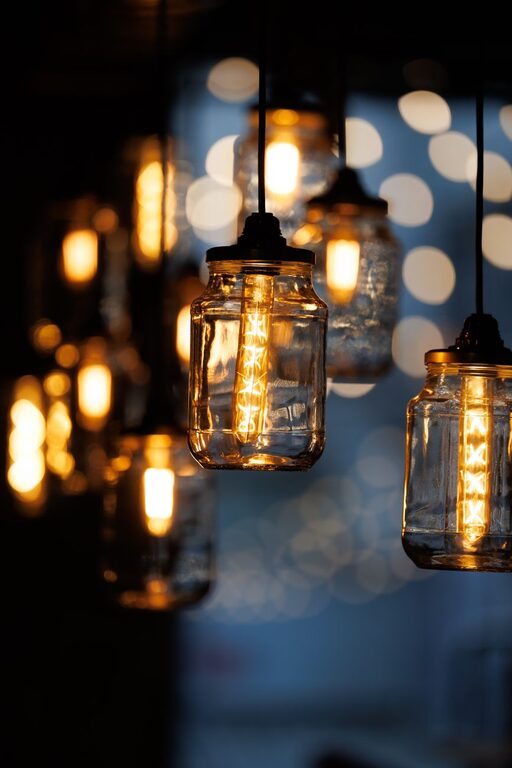
Creating a comfortable and inviting atmosphere in your home starts with the right lighting. Good lighting not only illuminates your space but also influences mood, productivity, and the overall aesthetic. Choosing lighting that feels comfortable can transform a house into a warm and welcoming home. In this post, we’ll share helpful tips on how to select the best lighting options to suit your needs and preferences.
Understanding the Basics of Home Lighting
Before diving into specific tips, it helps to understand the three main types of lighting:
– Ambient Lighting: Provides overall illumination to a room.
– Task Lighting: Focuses on specific areas for activities like reading or cooking.
– Accent Lighting: Highlights particular features like artwork or architectural details.
Balancing these types creates a layered, comfortable lighting setup that can be adjusted according to the time of day or activity.
Choose the Right Light Bulbs
The type of bulb you select dramatically affects comfort:
Consider Color Temperature
– Warm white (2700K-3000K): Produces a soft, yellowish glow, ideal for relaxing spaces such as living rooms and bedrooms.
– Cool white (3500K-4100K): Offers a bright white light, suitable for kitchens, bathrooms, and workspaces.
– Daylight (5000K-6500K): Mimics natural daylight and is best for areas where true color representation is important.
For comfortable home lighting, warm white bulbs are generally preferred in most living areas to create a cozy ambiance.
Select the Right Brightness
Bulb brightness is measured in lumens. Avoid bulbs that are too bright or too dim for the space.
– Living rooms and bedrooms: 1,500-3,000 lumens total.
– Kitchens and bathrooms: 3,000-4,000 lumens.
Using dimmable bulbs or multiple light sources allows you to adjust brightness levels throughout the day.
Layer Your Lighting for Flexibility
Using a variety of light sources helps to create a comfortable environment.
– Combine overhead lights with table lamps and floor lamps to adjust lighting according to your needs.
– Include task lighting like under-cabinet lights in kitchens or reading lamps near chairs.
– Use accent lighting such as wall sconces or picture lights to add warmth and interest.
Layered lighting reduces harsh shadows and glare, offering a more balanced and inviting feel.
Pay Attention to Fixture Styles and Placement
Lighting fixtures are more than just functional; they contribute to the room’s style and comfort.
Choose Fixtures According to Room Use
– In living rooms and bedrooms, opt for fixtures with shades or diffusers to soften the light.
– For work areas, adjustable fixtures allow you to direct light where it’s needed.
– Avoid placing bright lights directly above seating areas as it can cause discomfort.
Consider Fixture Height and Positioning
– Chandeliers or pendant lights should hang high enough to avoid obstructing views or bumping heads.
– Wall sconces work well in hallways or as supplementary lighting next to mirrors.
– Floor lamps can fill dark corners and add warmth.
Proper placement helps distribute light evenly, enhancing comfort.
Use Smart Lighting for Customization
Smart lighting systems allow you to control brightness, color temperature, and even set schedules.
– Use smartphone apps or voice commands to adjust lighting without getting up.
– Change light settings throughout the day to mimic natural light cycles, boosting comfort and wellbeing.
– Experiment with color-changing bulbs to create different moods for social gatherings or relaxation.
Smart lighting offers convenience and enhances the overall comfort of your home environment.
Minimize Glare and Shadows
Glare can cause eye strain and discomfort, so it’s important to manage light carefully.
– Use lampshades, frosted bulbs, or dimmers to soften light.
– Position task lighting to avoid direct light hitting your eyes.
– Balance natural light with artificial lighting to reduce harsh contrasts.
Proper diffusion and placement make your space easier on the eyes and more comfortable to inhabit.
Incorporate Natural Light
Whenever possible, maximize natural light during the day.
– Use light curtains that allow sunlight to filter through without glare.
– Arrange mirrors to reflect daylight into darker areas.
– Keep windows clean and unobstructed for optimal light flow.
Natural light not only brightens your space but also improves mood and saves energy.
Final Thoughts
Choosing comfortable home lighting involves a blend of selecting the right bulbs, layering different types of lighting, and smartly positioning fixtures. By paying attention to color temperature, brightness, and fixture design, you can create a home atmosphere that’s both functional and inviting. Don’t forget to incorporate natural light and consider smart technology for maximum comfort and flexibility. With these tips, your home can become a bright, cozy haven tailored to your lifestyle.
About the Author