Birdwatching is a wonderful hobby that allows you to connect with nature, relax, and learn about the colorful world of birds. The best part is you don’t need to travel far—your own backyard can become a prime spot for birdwatching. Whether you live in a city, suburb, or rural area, attracting and observing birds is both fun and rewarding. If you’re new to birdwatching, this guide offers beginner tips to help you get started on the right foot.
Why Birdwatching in Your Backyard?
Birdwatching promotes mindfulness and a sense of peace. Watching birds can also be educational for kids and adults alike, helping you learn about different species and their behaviors. Plus, it’s a cost-effective hobby—you don’t need expensive gear or special permits, just a few simple tools and some patience.
Setting Up Your Backyard for Birdwatching
1. Create a Bird-Friendly Environment
Birds are attracted to places where they can find food, water, shelter, and safe nesting areas. Start by enhancing your backyard’s appeal:
– Plant native trees and shrubs: Native plants provide natural food sources like berries and offer shelter.
– Provide fresh water: A birdbath or shallow dish with clean water encourages birds to visit for drinking and bathing.
– Offer shelter: Dense bushes, hedges, or even birdhouses make your yard more inviting.
2. Choose the Right Bird Feeders and Food
Bird feeders are an effective way to attract a variety of birds. Here’s what you should consider:
– Types of feeders: Tube feeders for smaller birds, platform feeders for larger species, and suet feeders for insect-eating birds.
– Food choices: Black-oil sunflower seeds attract many species, millet is good for ground feeders, and suet cakes provide energy, especially in winter.
– Keep feeders clean: Wash feeders regularly to prevent mold and disease.
3. Set Up a Comfortable Viewing Spot
Create a cozy spot where you can quietly watch birds without disturbing them. Place a chair or bench near your feeders or birdbath, preferably with some cover like a shrub or tree to help you blend into the environment.
Basic Birdwatching Gear for Beginners
You don’t need a lot of equipment to start birdwatching:
– Binoculars: A pair of lightweight binoculars with 8x or 10x magnification is ideal for clear views.
– Field guide or app: Use a bird identification field guide or a smartphone app to help identify species.
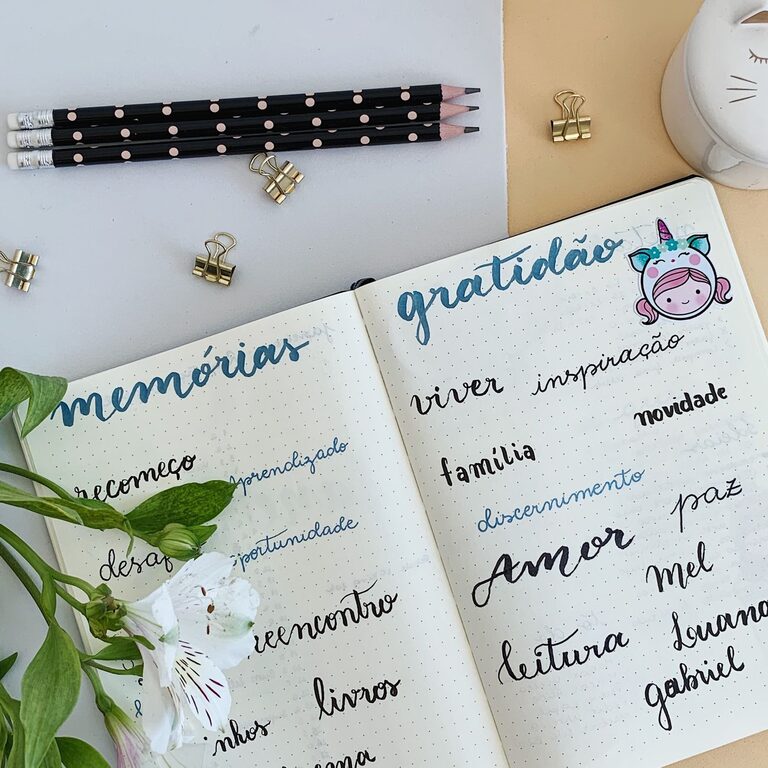
– Notebook: Jot down your observations to track the birds you see and note interesting behaviors.
Tips for Spotting and Identifying Birds
1. Observe Behavior
Bird behavior can be a helpful clue in identification. Notice if a bird is feeding on seeds, catching insects, hopping on the ground, or perching quietly.
2. Look at Size and Shape
Size comparison to common birds (like sparrows or robins) helps narrow down possibilities. Pay attention to body shape, beak type, tail length, and wing shape.
3. Note Colors and Patterns
Bird plumage colors, markings on the belly or wings, and distinctive features like eye rings or crests are important for identification.
4. Listen to Bird Songs and Calls
Many birds have unique songs or calls. Learning a few common ones can help you identify species even when they’re hidden in the foliage.
Best Times for Backyard Birdwatching
Birds are most active during early morning and just before dusk. These times offer the best chances to see a variety of species. Watching birds after fresh rain or during seasonal changes can also bring exciting sightings.
Common Backyard Birds to Expect
Depending on your region, you might spot:
– Northern Cardinal: Bright red males and warm brown females with a distinct crest.
– American Robin: A familiar bird with a reddish-orange breast.
– Blue Jay: Known for their vibrant blue feathers and loud calls.
– House Finch: Small birds with streaked bodies and red heads in males.
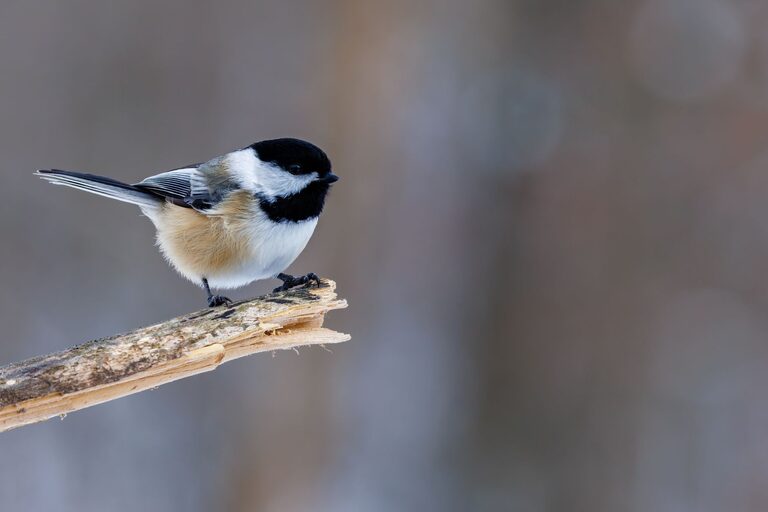
– Chickadee: Tiny birds with a black cap and white cheeks.
Encouraging More Bird Visits
To keep your birdwatching exciting, try these additional ideas:
– Rotate food types to attract different species.
– Add native wildflowers or seed-producing plants.
– Provide nesting boxes suited to local birds.
– Avoid pesticides that harm insects birds feed on.
Being a Responsible Backyard Birder
Respect wildlife by maintaining a quiet presence and avoiding sudden movements. Never try to handle wild birds, and keep cats indoors during peak bird activity times. Staying informed about local bird conservation helps ensure your hobby supports bird populations.
Conclusion
Backyard birdwatching is an accessible, enjoyable activity for anyone interested in nature. By creating a welcoming space, keeping simple gear handy, and learning how to observe and identify birds, you’ll find hours of peaceful entertainment right outside your door. Happy birdwatching!
About the Author