
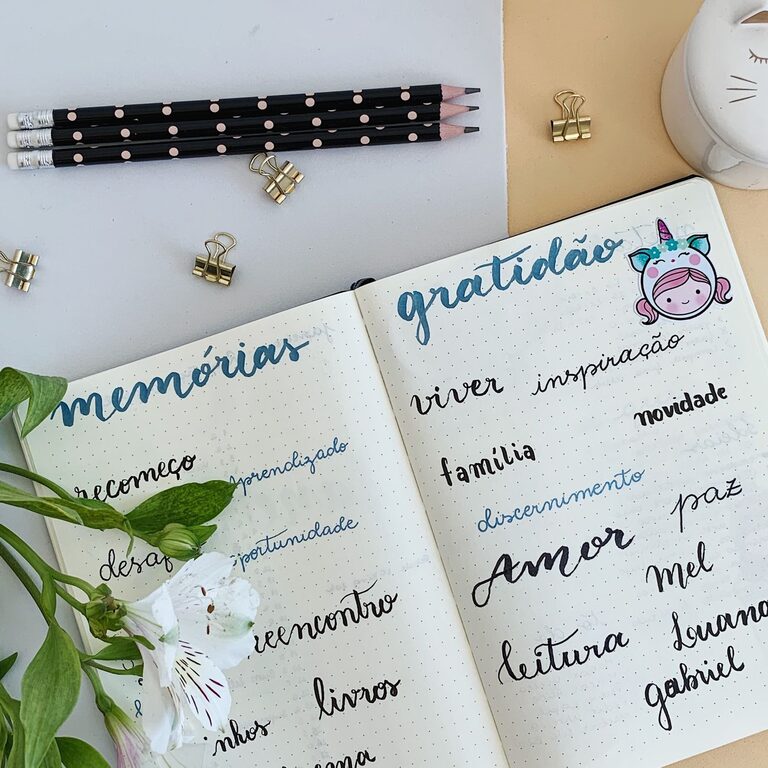
Gratitude journaling is a simple yet powerful practice that can bring more positivity and focus to your daily life. By regularly writing down things you’re thankful for, you can enhance your mood, reduce stress, and cultivate a more optimistic outlook. If you’re new to gratitude journaling, this guide will help you get started with easy steps and tips so you can build a lasting habit.
What is a Gratitude Journal?
A gratitude journal is a personal diary where you record things you appreciate or feel grateful for. Unlike a regular journal, which may cover all kinds of thoughts and events, a gratitude journal specifically focuses on positive experiences and moments, big or small. This practice encourages you to shift your focus from challenges or worries to the good things in your life.
Benefits of Keeping a Gratitude Journal
Research and personal experiences show that gratitude journaling can:
– Improve emotional well-being and happiness
– Reduce feelings of stress and anxiety
– Strengthen relationships by recognizing kindness
– Increase resilience during tough times
– Promote better sleep when done before bedtime
Starting a gratitude journal can be a gentle way to improve your mental health and outlook without needing significant time or resources.
How to Start Your Gratitude Journal
1. Choose Your Journal Format
Select a format that suits your lifestyle. Options include:
– A traditional notebook or diary
– A digital document or note-taking app
– Specialty gratitude journal books with prompts
Pick something that feels inviting and easy to access daily.
2. Set a Regular Time to Write
Consistency helps form habits. Many find it helpful to write either:
– In the morning to set a positive tone for the day
– At night to reflect on the day’s positive moments
Choose a time when you are least likely to be interrupted.
3. Start Small and Be Specific
Begin by listing 3 to 5 things you are grateful for each day. Try to be as specific as possible. Instead of writing “I’m grateful for my family,” you might write, “I’m grateful for the fun conversation I had with my sister today.”
4. Use Prompts if You Get Stuck
If you’re unsure what to write, prompts can spark ideas. Examples include:
– Something kind someone did for you today
– A small pleasure you enjoyed recently
– A challenge you overcame and what it taught you
– A favorite place that makes you feel calm
5. Reflect on Why You’re Grateful
Adding a sentence or two about why you appreciate something helps deepen your gratitude. This reflection encourages mindfulness and a stronger emotional connection to positive moments.
6. Keep It Positive but Realistic
Your journal is for acknowledging good things—even during difficult times. Avoid forcing overly positive thoughts; it’s okay to recognize struggles while still identifying small positives.
Tips for Maintaining Your Gratitude Journal Habit
– Start with just a few minutes. Don’t pressure yourself for lengthy entries.
– Keep your journal where you can see it. Visual reminders help you remember.
– Combine journaling with other relaxing routines. Try it with tea or calming music.
– Share your gratitude. Sometimes telling a friend or family member what you’re grateful for strengthens your feelings.
– Review past entries regularly. Looking back can boost your mood and motivation.
What to Avoid When Gratitude Journaling
– Don’t compare your journal to others. Gratitude is personal and unique.
– Avoid negativity or venting in your gratitude journal. Keep it focused on appreciation.
– Don’t stress about perfect writing. It’s about the feeling, not the grammar or style.
Sample Gratitude Journal Entry
Here’s an example to inspire your own practice:
Date: June 10, 2024
- I’m grateful for a sunny walk in the park this morning because it helped clear my mind.
- I appreciate my coworker who offered help with a tricky task at work today – it made me feel supported.
- I’m thankful for my favorite coffee mug that always brightens my morning routine.
- I feel grateful for the chance to call my mom and hear her laugh.
- I’m happy for the quiet moment I took to read a chapter of a good book before bed.
Final Thoughts
Starting a gratitude journal is a simple act that can bring ongoing benefits to your mental well-being and outlook on life. You don’t need special tools or a lot of time—just a willingness to notice and appreciate the positive moments around you. With a little consistency, your gratitude journal can become a source of comfort, motivation, and happiness.
Why not start today? Grab a notebook or open a new note on your device, and write your first entry. Even small steps can lead to big changes in how you experience each day.
About the Author