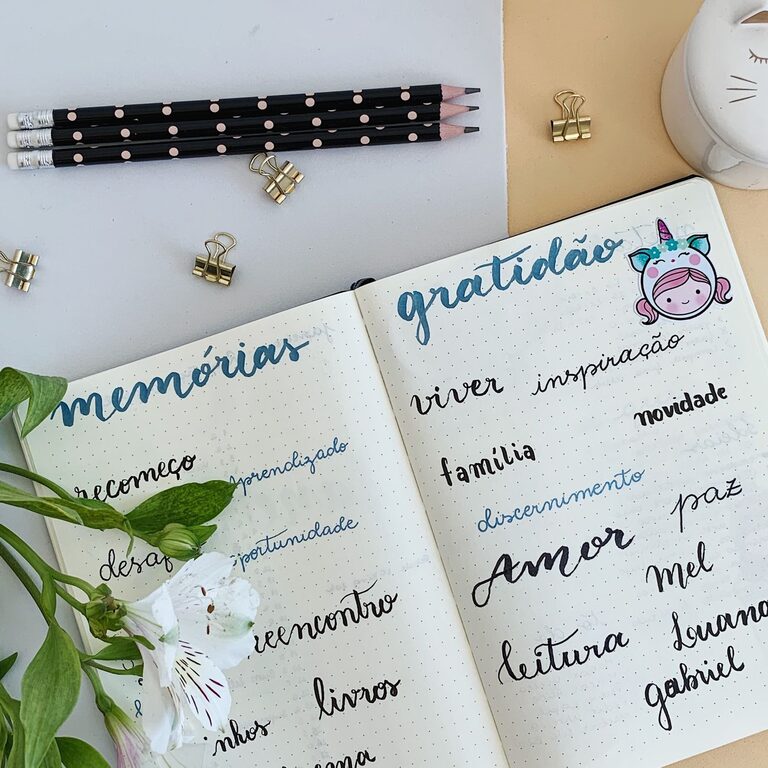

Taking a day off doesn’t always mean traveling or going out. Sometimes, the best way to recharge is by enjoying a restful day at home. A well-planned day off can help you relax, reduce stress, and boost your overall well-being. In this post, we’ll guide you through steps to create a peaceful, restorative day at home that leaves you feeling refreshed and ready to tackle your routine again.
Why Plan Your Day Off?
Random downtime is sometimes refreshing, but intentionally planning your day off ensures you truly unwind. Without a plan, you might find yourself distracted by chores, work-related tasks, or digital noise. Planning helps:
– Set clear boundaries
– Prioritize rest and activities you enjoy
– Minimize stress and interruptions
– Create a sense of accomplishment and well-being
Now, let’s dive into how you can plan your perfect day of rest at home.
Step 1: Prepare in Advance
Preparation is key to a stress-free day off. The night before or earlier in the week, take these steps:
– Clear your schedule: Let colleagues, family, or friends know you’ll be offline or unavailable.
– Tidy your space: A clean, clutter-free environment promotes relaxation and calm.
– Gather supplies: Think about what you’ll need – cozy blankets, favorite books, snacks, or crafting materials.
– Plan meals: Consider making simple, nourishing meals or preparing ingredients ahead of time.
Step 2: Start with a Slow Morning
A restful day deserves a gentle start. Resist the urge to jump into work or busy tasks as soon as you wake up.
– Sleep in or wake naturally: Allow yourself extra sleep if needed. Avoid alarms if you can.
– Practice mindfulness: Spend a few minutes meditating, breathing deeply, or journaling.
– Enjoy a leisurely breakfast: Choose something comforting, such as oatmeal, fresh fruit, or tea.
Step 3: Limit Screen Time
Electronic devices can create distractions and stress. Try to minimize screen use to improve your restfulness.
– Set boundaries: Avoid checking emails, social media, or news unless it brings you joy.
– Use tech intentionally: If you want to watch a favorite movie or listen to relaxing music, do so mindfully.
– Try an analog activity: Reading a physical book, drawing, or doing puzzles can be soothing alternatives.
Step 4: Engage in Relaxing Activities
Choose activities that help you unwind, focusing on what brings you calm or happiness. Here are some ideas:
Creative Activities
– Drawing, painting, coloring
– Writing or journaling
– Crafting or DIY projects
Mind and Body Practices
– Gentle yoga or stretching
– Meditation or guided relaxation
– Deep breathing exercises
Enjoy Nature at Home
– Gardening or caring for indoor plants
– Sitting on your porch or balcony with a warm drink
– Listening to natural sounds or bird calls
Rest and Pampering
– Take a warm bath with soothing scents
– Use a face mask or skin care routine
– Take short naps if needed
Step 5: Connect with Loved Ones (Optional)
Sometimes, a restful day includes quality time with family or friends. If you feel like socializing:
– Keep it low-key and positive
– Share a meal or enjoy a simple activity together
– Avoid heavy discussions or obligations
If you prefer solitude, that’s perfectly fine, too.
Step 6: Eat Nourishing and Comforting Meals
Good nutrition supports relaxation and energy without taxing your body.
– Choose whole, simple foods like fruits, vegetables, nuts, and grains
– Stay hydrated with water, herbal teas, or infused water
– Avoid heavy or overly processed foods that might feel sluggish
Consider cooking or ordering your favorite comforting meal to enjoy mindfully.
Step 7: Reflect and Wind Down
As your restful day draws to a close, take time to reflect and prepare for the week ahead gently.
– Write down any thoughts or feelings—gratitude journaling is a great option
– Do a calming activity like reading or listening to soft music
– Avoid stimulating screens or activities before bedtime
Tips for Making Your Day Off a Habit
– Schedule regular days off to maintain your balance
– Experiment with different activities to find what works best for you
– Remember that rest includes both body and mind, so listen to your needs
– Be kind to yourself—there’s no ‘right’ way to relax
Conclusion
Planning a restful day off at home is a wonderful way to nurture yourself without the need for travel or big plans. By preparing ahead, limiting distractions, choosing relaxing activities, and enjoying nourishing food, you create space to truly unwind. Whether your ideal day involves quiet solitude or gentle connection, these simple steps can make your days off restorative and refreshing.
Remember, your well-being matters. Taking time for rest isn’t a luxury, it’s essential. Enjoy your next day off with intention and kindness to yourself!
About the Author